

Managing diabetes through diet can feel overwhelming, especially when you’re trying to balance blood sugar levels while still enjoying satisfying, flavorful food. That’s where crockpot meals for diabetics become a true game-changer. Slow cooking is one of the most practical and health-conscious ways to prepare meals that are rich in nutrients, low in harmful additives, and perfectly tailored to a diabetic-friendly lifestyle.
Whether you’ve just been diagnosed or you’ve been managing diabetes for years, a crockpot (also called a slow cooker) can simplify your meal preparation while helping you stay on track nutritionally. In this ultimate guide, we’ll walk you through everything you need to know — from the benefits of slow cooking to specific meal ideas, key ingredients, and practical planning tips.
Why Crockpot Cooking Works So Well for Diabetics
Slow cooking isn’t just convenient — it’s genuinely well-suited for people managing diabetes. Here’s why this cooking method stands out.
Better Nutrient Retention
When you cook at high heat, many of the essential vitamins and minerals in vegetables and legumes can degrade quickly. Crockpots use low, steady heat over a longer period, which helps preserve more of the natural nutrients in your ingredients. For diabetics, getting adequate fiber, magnesium, and antioxidants is crucial for glucose control, and slow cooking helps you hold onto those benefits.
No Need for Unhealthy Fats
Many traditional cooking methods require butter, heavy oils, or frying to develop flavor. With a crockpot, moisture is retained throughout the cooking process, meaning your food develops rich, deep flavors without needing unhealthy fats. This is particularly helpful for diabetics who also need to manage cholesterol and cardiovascular health.
Portion Control and Meal Prepping Made Easy
Crockpot recipes typically yield multiple servings, making them ideal for meal prepping. You can cook once and eat healthy, portioned meals throughout the week — reducing the temptation to grab processed or fast food when life gets busy. For diabetics, consistency in meal timing and portion size is one of the most powerful tools for blood sugar stability.
Low-Glycemic Ingredients Shine in Slow Cooking
Beans, lentils, whole grains, and fibrous vegetables — all of which have a lower glycemic index — thrive in a slow cooker. These ingredients become tender and flavorful without losing their structural integrity, which is what keeps their glycemic impact low.

Key Ingredients to Use in Crockpot Meals for Diabetics
Choosing the right ingredients is the foundation of any successful diabetes-friendly crockpot meal. Here’s what to stock up on.
Best Ingredients to Include
- Lean proteins — Skinless chicken breast, turkey, fish (added at the end), and legumes like chickpeas and black beans are excellent choices. Protein slows glucose absorption and helps keep you full.
- Non-starchy vegetables — Bell peppers, zucchini, spinach, kale, cauliflower, broccoli, mushrooms, and tomatoes are all low in carbohydrates and high in fiber.
- Legumes and lentils — These are rich in fiber and plant-based protein. They digest slowly and have a minimal effect on blood sugar spikes.
- Whole grains — If adding grains, opt for barley or farro, which have more fiber and a lower glycemic load than white rice.
- Herbs and spices — Cinnamon, turmeric, garlic, and ginger are not only flavorful but also have anti-inflammatory properties that can benefit blood sugar regulation.
- Low-sodium broth — A great base for soups and stews that keeps sodium intake in check, which matters for blood pressure management in diabetics.
Ingredients to Limit or Avoid
- White rice and white pasta — These have a high glycemic index and can cause blood sugar to spike rapidly. If you want to include them, add small portions near the end of cooking.
- Canned soups with high sodium — Many pre-made soups contain excessive salt and hidden sugars. Always read labels or opt for homemade broth.
- Sugary sauces — Barbecue sauce, teriyaki, and many store-bought marinades are loaded with added sugars. Look for sugar-free versions or make your own.
- Processed meats — Sausages and canned meats are typically high in saturated fat and sodium.
- Heavy cream or full-fat dairy in excess — A splash of low-fat dairy is fine, but don’t overdo it.
Meal Planning Tips for Diabetics Using a Crockpot
Good meal planning is one of the most effective strategies for diabetes management. Here’s how to make the most of your slow cooker.
Plan Around the Plate Method
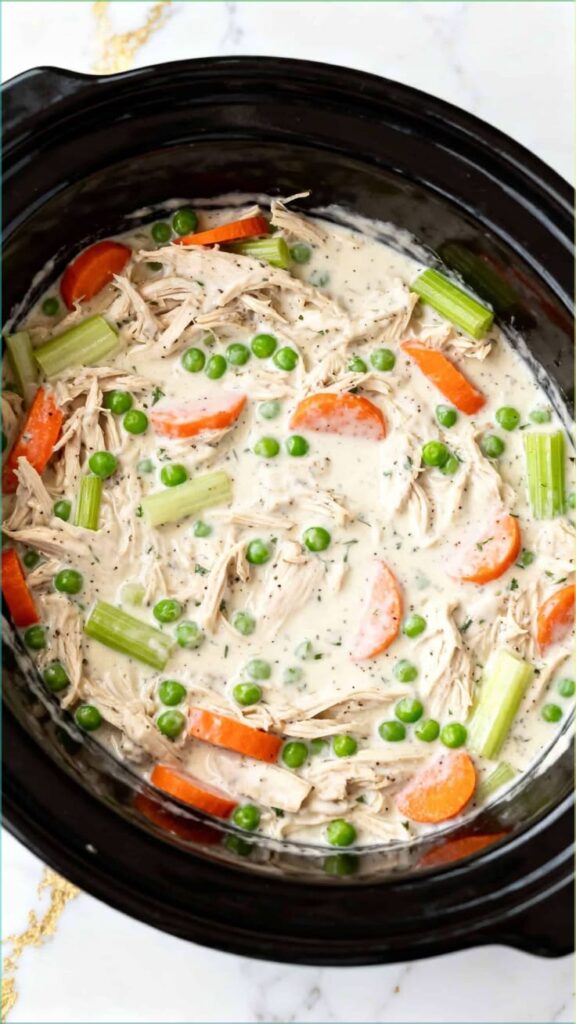
A simple guideline for building diabetic-friendly meals is the Diabetes Plate Method: fill half your plate with non-starchy vegetables, a quarter with lean protein, and a quarter with complex carbohydrates. Crockpot meals naturally lend themselves to this balance — think a hearty vegetable and chicken stew or a lentil soup packed with greens.
Batch Cook on Weekends
Pick one or two days a week to prepare large crockpot batches. Divide them into portioned containers and refrigerate or freeze for the week ahead. This takes the guesswork out of daily cooking and ensures you always have a blood-sugar-friendly option ready to go.
Monitor Carbohydrate Content Per Serving
Even with healthy ingredients, it’s important to calculate the carbohydrate content of each serving. Use a nutrition tracking app or consult a registered dietitian to understand how different recipes affect your glucose levels. Many crockpot soups and stews are naturally low in carbs, but adding root vegetables like potatoes or parsnips can increase the count.
Time Your Meals Consistently
Eating at consistent times helps your body regulate insulin and blood sugar more effectively. Slow cooker meals are perfect for this because you can set them in the morning and have dinner ready at a consistent time each evening.
If you’re looking for more inspiration for pairing different meals throughout the week, check out these creative dinner recipes for couples that can easily be adapted for diabetic-friendly crockpot cooking.

Top Crockpot Meal Ideas for Diabetics
Now let’s get to the heart of the guide — the meals themselves. Each of these recipes is designed to be flavorful, filling, and gentle on blood sugar.
1. Slow Cooker Turkey and Vegetable Chili
This is a go-to crockpot meal for diabetics. Ground turkey is lean and high in protein, while kidney beans provide fiber to slow glucose absorption. Load it up with bell peppers, tomatoes, onions, and a generous amount of cumin and chili powder.
To make it: Brown ground turkey briefly in a pan, then transfer to the crockpot with canned diced tomatoes (no added sugar), rinsed kidney beans, diced peppers, onion, garlic, and your spices. Cook on low for 6–8 hours. Serve with a side of leafy greens or a small portion of brown rice.
2. Chicken and Lentil Soup
Lentils are one of the best ingredients for crockpot meals for diabetics. They’re high in fiber, protein, and nutrients, and they have a very low glycemic index. Combined with skinless chicken thighs, carrots, celery, and spinach, this soup is incredibly nourishing.
Add everything to the slow cooker with low-sodium chicken broth, a bay leaf, and a pinch of turmeric. Cook on low for 7–8 hours or high for 4–5. Remove the chicken, shred it, and stir back in before serving.
3. Slow Cooker Cauliflower and Chickpea Curry
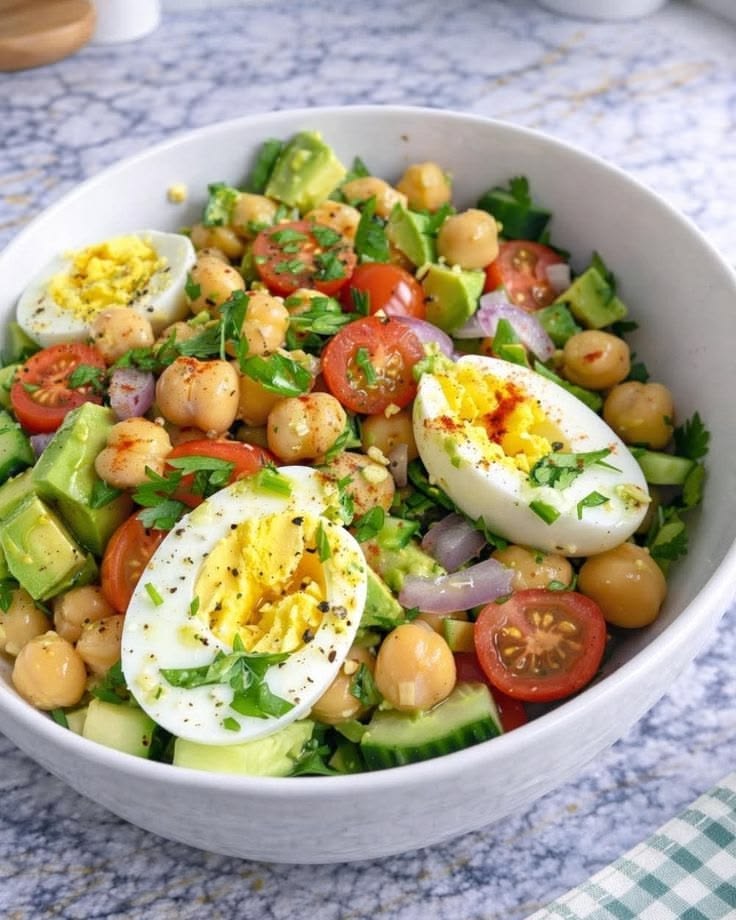
This plant-based option is rich, warming, and deeply satisfying. Cauliflower is a low-carb superstar, and chickpeas add protein and fiber. Use light coconut milk, curry powder, cumin, ginger, garlic, and diced tomatoes as the base. Cook on low for 6 hours and serve over cauliflower rice for a fully diabetic-friendly meal.
4. Slow Cooker Black Bean Soup
Black beans are among the most blood-sugar-friendly legumes available. This hearty soup combines black beans with diced tomatoes, onion, garlic, jalapeño, cumin, and lime juice. It’s naturally thick and satisfying, requires no added thickeners, and is easy to portion and freeze.
5. Tuscan White Bean and Kale Stew
White beans and kale are a nutritional powerhouse combination. This Italian-inspired stew uses cannellini beans, chopped kale, fire-roasted tomatoes, garlic, and chicken or vegetable broth. A touch of lemon zest added before serving brightens up the whole dish.
6. Slow Cooker Salmon with Herbs
Fish should be added to the crockpot in the last 1–2 hours to avoid overcooking. For salmon, place it over a bed of sliced zucchini, cherry tomatoes, and asparagus with a drizzle of olive oil, garlic, and dill. Cook on low for 1.5–2 hours until flaky. This is a light, omega-3-rich option that’s excellent for heart health — an important consideration for many diabetics.
A Note on Smart Diabetic Snacking
Eating well with diabetes goes beyond main meals. It’s equally important to make smart snack choices throughout the day to avoid blood sugar dips and spikes. While snacks like chips or sweet desserts can disrupt glucose levels, there are creative ways to satisfy your sweet tooth without causing harm.
For example, certain frozen treats can be lower in sugar than you might expect. If you’re curious about dessert options that won’t derail your management plan, learning about the nutritional profile of options like pistachio ice cream can be a useful starting point — understanding what’s in your treats helps you make more informed decisions.
Quick Tips for Diabetics Using a Crockpot
- Always rinse canned beans to reduce sodium content by up to 40%.
- Skim excess fat from soups and stews before serving, especially when using bone-in chicken.
- Add leafy greens last — stir in spinach or kale in the final 15–30 minutes to preserve their nutrients and color.
- Use a food thermometer to ensure meats have reached a safe internal temperature, especially with slow, low-heat cooking.
- Don’t lift the lid during cooking — each peek adds 15–20 minutes to your cook time as heat escapes.
- Taste and adjust sodium at the end rather than adding salt during cooking, since flavors concentrate over time.
- Cool and store leftovers properly — slow-cooked meals are great for up to 4 days in the fridge or 3 months in the freezer.
Conclusion
Living with diabetes doesn’t mean resigning yourself to bland, restrictive meals. With the right approach and the help of a trusty slow cooker, crockpot meals for diabetics can be just as delicious, varied, and satisfying as any other cuisine. From hearty lentil soups and warming turkey chili to elegant herb salmon and vibrant bean stews, the possibilities are genuinely exciting.
The key is to focus on whole, nutrient-dense ingredients, be mindful of glycemic load, and use meal planning as your most powerful tool. Start with one or two of the recipes in this guide, get comfortable with the process, and then build your repertoire from there.
Your crockpot is one of the simplest investments you can make in your health. Let it do the hard work while you focus on living well.


