

Have you ever stared at the salad dressing aisle, overwhelmed by 40 different bottles, only to get home and think — this tastes like bottled disappointment? You’re not alone.
Here’s the truth: the best lemon vinaigrette dressing you’ll ever taste takes exactly five minutes, uses ingredients you already have, and costs a fraction of what those store-bought versions charge. Once you make this at home, going back to a bottle will feel like a step backward.
This is the kind of homemade salad dressing that upgrades a simple bowl of greens into something you genuinely crave. Whether you’re meal-prepping for the week, throwing together a quick weeknight salad, or looking for a bright, clean dressing to pull a dish together — this recipe delivers every single time.
Let’s get into it.
Why This Lemon Vinaigrette Dressing Is a Game-Changer
Store-bought dressings are convenient, sure. But take a look at the label on most bottles and you’ll find a list of preservatives, added sugars, seed oils, and stabilizers that have no business being on your salad.
Homemade lemon vinaigrette, on the other hand, is pure and simple. You control every ingredient. You know exactly what’s going in. And the flavor? Bright, tangy, a little savory, and deeply satisfying in a way that no bottle can replicate.
This easy vinaigrette is also incredibly versatile. It works on leafy green salads, grain bowls, roasted vegetables, grilled chicken, pasta salads, and even as a light marinade. Once you have it in your fridge, you’ll find yourself reaching for it constantly.
What Makes a Great Lemon Vinaigrette?
A classic vinaigrette follows a basic ratio: 3 parts oil to 1 part acid. In this case, your acid is fresh lemon juice — bright, citrusy, and so much better than bottled lemon juice from concentrate.
But the magic of this particular recipe goes a little further. We’re adding Dijon mustard (which acts as an emulsifier to keep everything blended), a hint of garlic, and just a touch of honey to balance the tartness. The result is a balanced, layered dressing that hits every note — tangy, savory, slightly sweet, and rich.
It’s not just an easy vinaigrette. It’s a perfect vinaigrette.
Ingredients for Homemade Lemon Vinaigrette
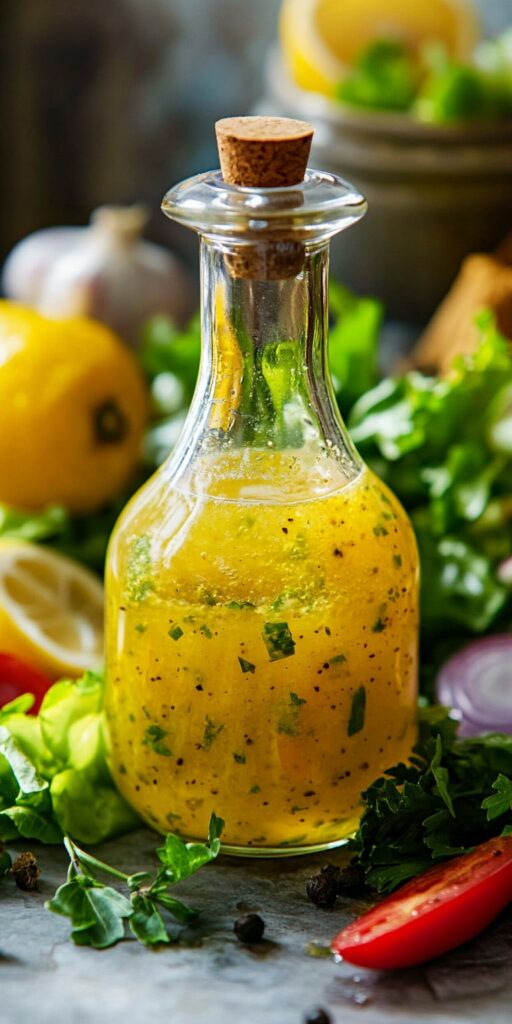
Here’s everything you need to make this lemon vinaigrette dressing. These are pantry staples you likely already have on hand:
- ½ cup extra virgin olive oil — Use a good quality oil. It makes a difference.
- 3 tablespoons fresh lemon juice — About 1 to 1½ lemons. Always fresh, never bottled.
- 1 teaspoon lemon zest — Optional, but adds a pop of concentrated citrus flavor.
- 1 teaspoon Dijon mustard — This is the secret emulsifier that keeps the dressing from separating.
- 1 teaspoon honey — Balances the tartness. Use maple syrup for a vegan option.
- 1 small garlic clove, finely minced or grated — About ½ teaspoon. Adds depth without overpowering.
- ¼ teaspoon sea salt — Or to taste.
- ⅛ teaspoon freshly ground black pepper
- Optional: a pinch of dried oregano or fresh thyme — Great for Mediterranean-style dishes.
That’s it. Ten ingredients, most of which you can count on one hand.
How to Make Lemon Vinaigrette in 5 Minutes
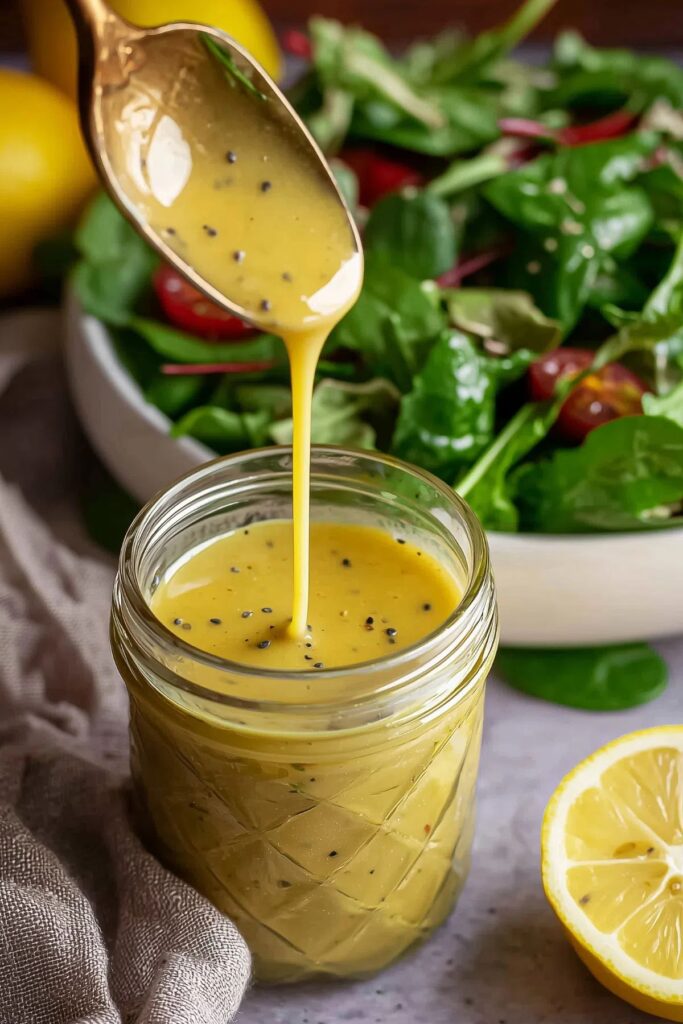
Making this homemade salad dressing couldn’t be simpler. You have two options: whisk it in a bowl or shake it in a jar. Both work beautifully.
Method 1: The Whisk Method
Step 1: Juice your lemons: Roll the lemon on your countertop first — this helps release more juice. Cut and squeeze out 3 tablespoons of fresh juice into a small mixing bowl. Add the lemon zest if using.
Step 2: Add the flavor builders: Whisk in the Dijon mustard, honey, minced garlic, salt, and pepper. Give it a good mix so everything is combined.
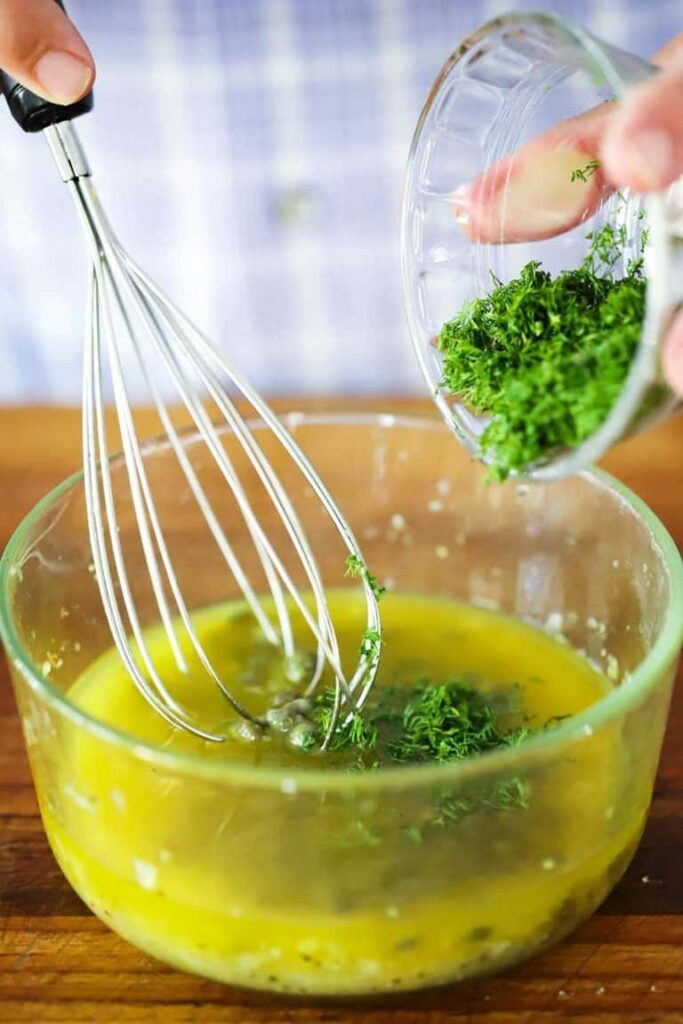
Step 3: Slowly drizzle in the olive oil: While whisking constantly, slowly pour in the olive oil in a thin, steady stream. This slow addition helps emulsify the dressing, giving you a creamy, cohesive texture rather than a separated, oily mess.
Step 4: Taste and adjust: This is the most important step. Dip a piece of lettuce or a spoon into the dressing and taste it. Too tart? Add a tiny bit more honey. Too flat? Add a pinch more salt or a small squeeze of extra lemon.
Step 5: Use immediately or store: Pour into a mason jar and use right away, or refrigerate for later.
Method 2: The Shake-It-Up Jar Method
Add all ingredients to a small mason jar or a salad dressing shaker bottle. Seal tightly and shake vigorously for 30 to 60 seconds until fully emulsified. Done.
This method is perfect for meal prep — you’re already storing it in the jar, so there’s one less dish to wash.
Pro Tips for the Best Lemon Vinaigrette Every Time
Always Use Fresh Lemon Juice
Bottled lemon juice is convenient, but it’s also flat and slightly bitter. Fresh lemons give you that bright, vibrant citrus punch that makes this dressing so special. It takes 30 extra seconds and it’s absolutely worth it.
Don’t Skip the Mustard
Even if you’re not a mustard fan, Dijon is essential here. You won’t taste it as mustard — it melts into the background and does the important job of binding the oil and acid together so your dressing stays creamy and blended.
Grate Your Garlic, Don’t Chop It
Finely grated garlic (use a microplane or the small side of a box grater) distributes far more evenly throughout the dressing than hand-minced garlic. The flavor is more mellow and it won’t leave you biting into a chunk of raw garlic.
Taste As You Go
Dressings are highly personal. Some people like it bright and punchy with extra lemon; others prefer it more mellow and oily. The recipe above is a great starting point — trust your palate to get it exactly where you want it.
Let It Sit Before Serving
If you have five extra minutes, let the dressing sit after mixing. The garlic mellow slightly and the flavors meld together into something even better.
Delicious Variations to Try
One of the best things about this easy vinaigrette is how adaptable it is. Here are some spin-off versions that are just as quick and delicious:
Honey Lemon Vinaigrette
Double the honey to 2 teaspoons for a sweeter, more floral dressing. This version is gorgeous on fruit salads, spinach with strawberries, or grilled peaches with arugula.
Lemon Herb Vinaigrette
Add 1 tablespoon of finely chopped fresh herbs — basil, parsley, dill, or tarragon all work brilliantly. This variation is especially beautiful on grain bowls and pasta salads.
Lemon Tahini Dressing
Replace half the olive oil with 2 tablespoons of tahini and add a tablespoon of water to thin it out. The result is a creamy, nutty, slightly earthy dressing that’s incredible over roasted cauliflower or falafel bowls.
Spicy Lemon Vinaigrette
Add a pinch of red pepper flakes or a tiny drizzle of Sriracha for a dressing with a little kick. Pairs beautifully with hearty kale salads or grilled shrimp.
Lemon Balsamic Vinaigrette
Replace 1 tablespoon of the lemon juice with good-quality balsamic vinegar. You get a deeper, more complex flavor that works wonderfully on Caprese-style salads or roasted beet dishes.
Greek-Style Lemon Vinaigrette
Add ½ teaspoon of dried oregano and a pinch of dried red pepper flakes. Incredible on Greek salads, grilled chicken, or lamb dishes.
How to Store Homemade Lemon Vinaigrette

This homemade salad dressing keeps beautifully in the refrigerator. Here’s what you need to know:
Storage: Pour into an airtight glass jar or container. A mason jar works perfectly.
Shelf Life: Keeps for up to 1 week in the refrigerator. The fresh garlic is the limiting factor here — it’s best within the first 4 to 5 days for optimal flavor.
Before Using: Olive oil solidifies slightly in the fridge. Simply remove the jar 10 to 15 minutes before you need it, or run warm water over the outside of the jar for a minute. Then shake or stir before using.
Do Not Freeze: The emulsion breaks when frozen and the texture becomes unpleasant. Since this takes 5 minutes to make, there’s really no need to freeze it anyway.
What to Pair With Your Lemon Vinaigrette Dressing
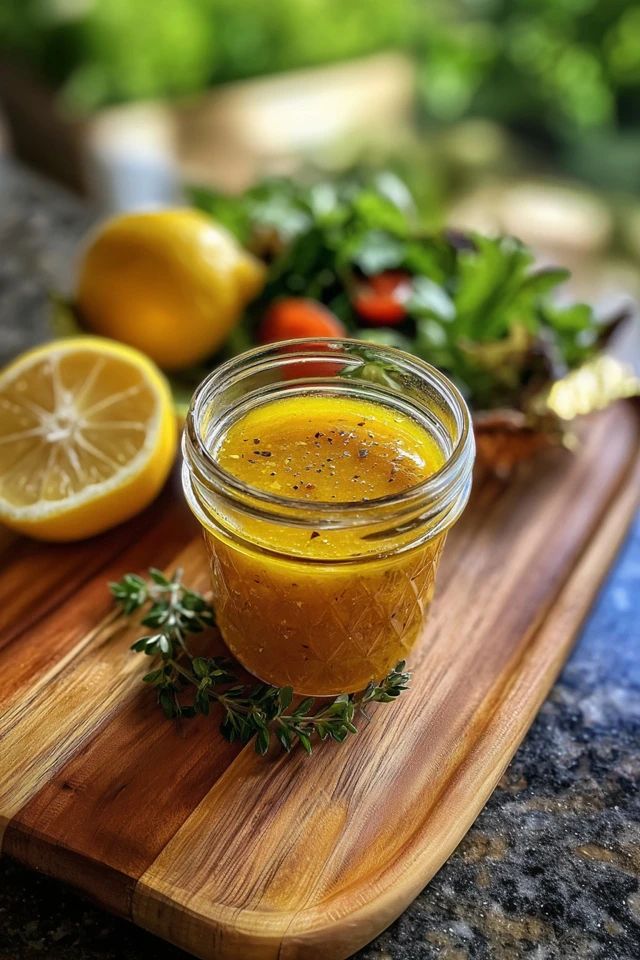
This dressing is remarkably versatile. Here are some of the best ways to use it:
On Salads
- Classic mixed greens with cucumber, cherry tomatoes, and shaved parmesan
- Arugula with shaved fennel, orange segments, and toasted almonds
- Kale Caesar with lemon vinaigrette instead of the traditional Caesar dressing
- Spinach salad with strawberries, goat cheese, and candied pecans
On Grain Bowls
- Quinoa with roasted chickpeas, cucumber, and feta
- Farro bowl with roasted vegetables and fresh herbs
- Brown rice with edamame, shredded carrots, and avocado
As a Marinade
This dressing doubles as a beautiful marinade for chicken, salmon, shrimp, or tofu. Let your protein sit in the vinaigrette for 30 minutes to 2 hours before cooking. The lemon acid tenderizes while the olive oil keeps things moist and flavorful.
Drizzled Over Vegetables
Roasted asparagus, grilled zucchini, steamed broccoli, or a warm potato salad — this lemon vinaigrette elevates them all. Drizzle it on while the vegetables are still warm so they absorb all that bright, citrusy flavor.
With Bread and Cheese
Pour a little into a shallow dish and use it as a dipping oil for crusty sourdough bread alongside a cheese board. It’s simple, unexpected, and absolutely delicious.
Make It a Full Meal
If you’re building a full dinner around this dressing, try pairing your salad with a simple pasta or grilled protein. For cozy, intimate dinner ideas to impress someone special, check out these romantic dinner recipes for couples that pair beautifully with a fresh, dressed salad as a starter.
And after a light, lemony salad, there’s nothing better than a cool, indulgent dessert to finish things off. Something like a creamy, nutty pistachio ice cream makes the perfect sweet ending to a fresh, vibrant meal.
Frequently Asked Questions
Can I use bottled lemon juice?
You can, but fresh lemon juice makes a noticeable difference in flavor. The brightness and complexity of real lemon simply can’t be replicated by the bottled version.
My dressing keeps separating — what am I doing wrong?
Oil and water (acid) naturally separate over time — that’s completely normal. The Dijon mustard helps slow this process, but it won’t stop it permanently. Just give the jar a good shake before using. If your dressing is separating immediately after mixing, try adding a tiny bit more mustard.
Can I make this dressing without garlic?
Absolutely. The dressing is still delicious without garlic — slightly lighter and cleaner in flavor. Skip it if you’re sensitive to garlic or serving to guests who prefer a milder dressing.
Is this lemon vinaigrette vegan?
Yes, as long as you substitute the honey with maple syrup or agave nectar. Everything else in the recipe is plant-based.
Can I use a different oil?
Extra virgin olive oil is the gold standard here, but you can use avocado oil for a more neutral flavor, or a mix of olive oil and a light oil like grapeseed if you find straight olive oil too strong.
The Bottom Line
There’s something genuinely satisfying about making your own lemon vinaigrette dressing from scratch. It’s faster than a drive-through, healthier than anything in a bottle, and so much more flavorful that you’ll wonder why you ever settled for store-bought.
Five minutes. A handful of pantry staples. One jar. That’s all it takes to have a bright, zesty, versatile homemade salad dressing that will completely transform the way you think about salad.
Make a batch this week, keep it in your fridge, and watch it become the most-reached-for thing on the shelf.
Tried this recipe? Leave a comment below and let us know how it turned out! And if you’re sharing on Pinterest, we’d love to see your version — tag us so we can see your beautiful bowls.


