

Let’s be honest — eating healthy every single day is tough when life gets busy. Between work, family, errands, and everything else on your plate (no pun intended), it’s way too easy to reach for fast food or skip meals altogether.
That’s exactly where healthy meal prep changes the game.
When you take a few hours on the weekend to plan and prepare your meals for the week, everything becomes easier. You eat better, you spend less money, you waste less food, and you feel more in control of your health. It’s one of the smartest habits you can build.
This ultimate guide to healthy meal prep covers everything you need to know — from grocery shopping and food storage, to breakfast ideas, easy protein meals, lunch prep, healthy dinner ideas, and beginner-friendly tips that will make weekly meal prep feel less like a chore and more like a lifestyle.
Whether you’re just getting started or looking to level up your clean eating routine, this guide has you covered.
What Is Healthy Meal Prep and Why Does It Matter?
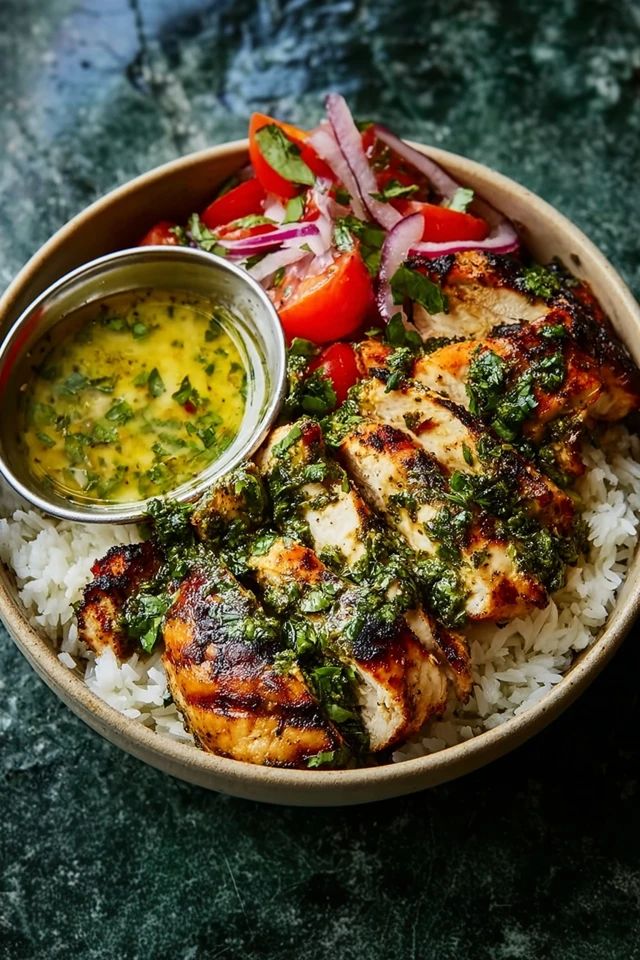
Healthy meal prep simply means preparing some or all of your meals and snacks ahead of time — usually for the upcoming week. It doesn’t mean cooking every single meal on Sunday. It can be as simple as washing vegetables, cooking a batch of grains, or portioning out snacks into containers.
The goal is to make healthy eating easier and more automatic throughout your week, so you don’t have to think too hard when hunger strikes.
The Real Benefits of Weekly Meal Prep
Here’s why so many people swear by meal prepping:
- You save serious time during the week — no more standing in the kitchen every night wondering what to cook.
- You eat healthier, more balanced meals because you planned them in advance.
- You save money by buying ingredients in bulk and reducing food waste.
- You control your portions better, which supports weight management.
- You feel less stressed around mealtimes — everything is already done.
Once you get into the habit, healthy food prep becomes second nature. It feels less like discipline and more like a gift you give yourself on a busy Tuesday evening.
How to Start Meal Prepping as a Beginner
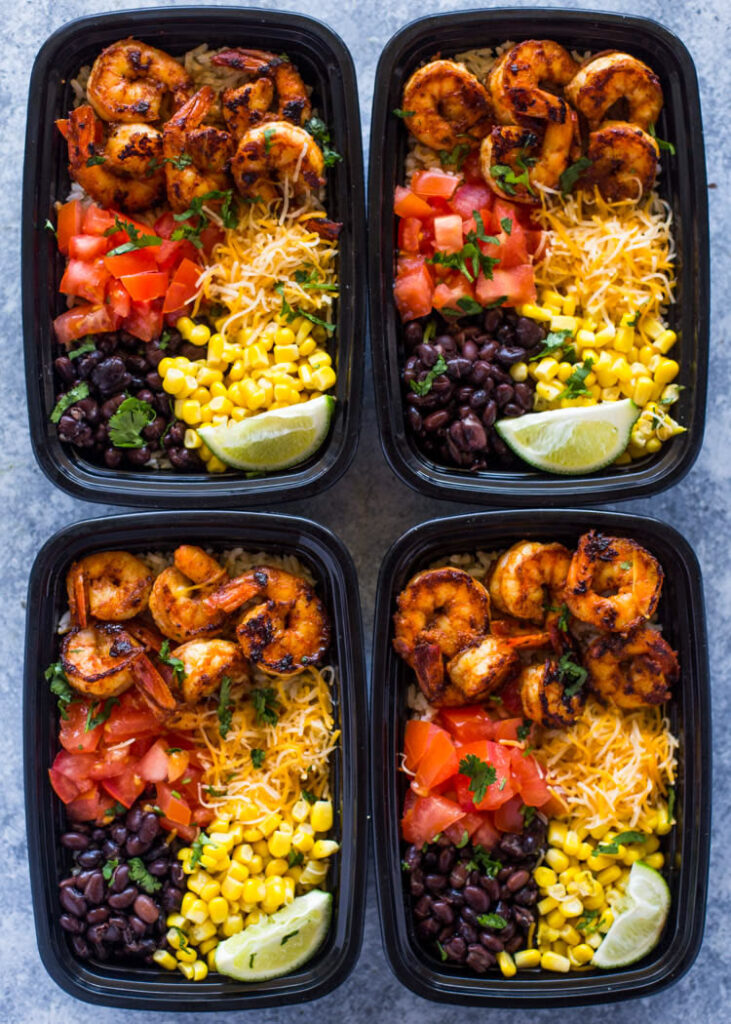
If you’ve never meal prepped before, starting small is the key. You don’t need to prep every meal for seven days all at once. In fact, that approach often leads to burnout and wasted food.
Instead, start with just two or three components — maybe a protein, a grain, and some chopped vegetables. From those three things, you can build multiple meals throughout the week.
Step 1: Choose Your Meal Prep Day
Pick one or two days per week that work best for you. For most people, Sunday and Wednesday work well. Sunday prep covers Monday through Wednesday, and a midweek session handles the back half of the week.
You don’t need more than 1–2 hours for a basic prep session.
Step 2: Plan Your Meals Before You Shop
Before you head to the grocery store, write out what you plan to eat. Don’t just think about dinner — plan breakfast, lunch, snacks, and dinner for the week. This is how you avoid buying things you don’t need and missing ingredients you actually do need.
Planning your meals in advance is the foundation of smart, clean eating all week long.
Step 3: Make a Smart Grocery List
Once your meals are planned, write a detailed grocery list organized by category — produce, proteins, grains, dairy, pantry staples. Sticking to your list keeps costs down and prevents impulse buys.
Look for items that do double duty. For example, roasted sweet potatoes can go in a lunch bowl, a breakfast hash, or a dinner side dish. Buying versatile ingredients stretches your budget further.
Step 4: Cook in Batches
The secret to efficient meal prep is batch cooking — making large quantities of one item that can be used multiple ways. Cook a big pot of brown rice. Roast a tray of mixed vegetables. Bake several chicken breasts at once.
These building blocks become the base of multiple different easy healthy meals without you having to cook from scratch every night.
Essential Meal Prep Equipment You Actually Need
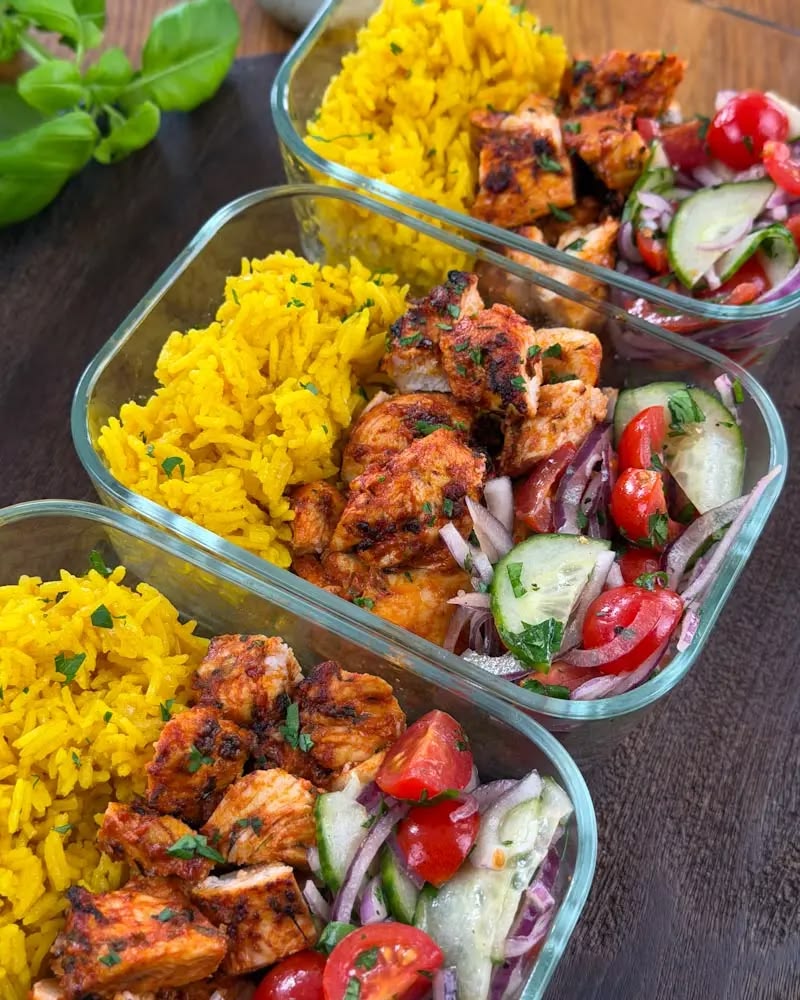
You don’t need a fancy kitchen to meal prep successfully. But having the right tools definitely makes things easier and more organized.
Must-Have Meal Prep Containers
Invest in a good set of glass or BPA-free plastic containers in different sizes. Glass containers are great because they go from the fridge straight to the microwave. Compartment containers are perfect for keeping different foods separate in the same box.
- Large containers (32–64 oz) for grain bowls, salads, and big portions
- Medium containers (16–24 oz) for lunches and dinners
- Small containers (4–8 oz) for sauces, dressings, and snacks
- Mason jars for overnight oats, smoothie prep, and salad-in-a-jar
Other Helpful Kitchen Tools
- Sheet pans for roasting vegetables and proteins
- A rice cooker or Instant Pot to make batch cooking grains easier
- A sharp chef’s knife and cutting board for fast vegetable prep
- Labels and a marker for dating your containers
Healthy Grocery Planning for the Week
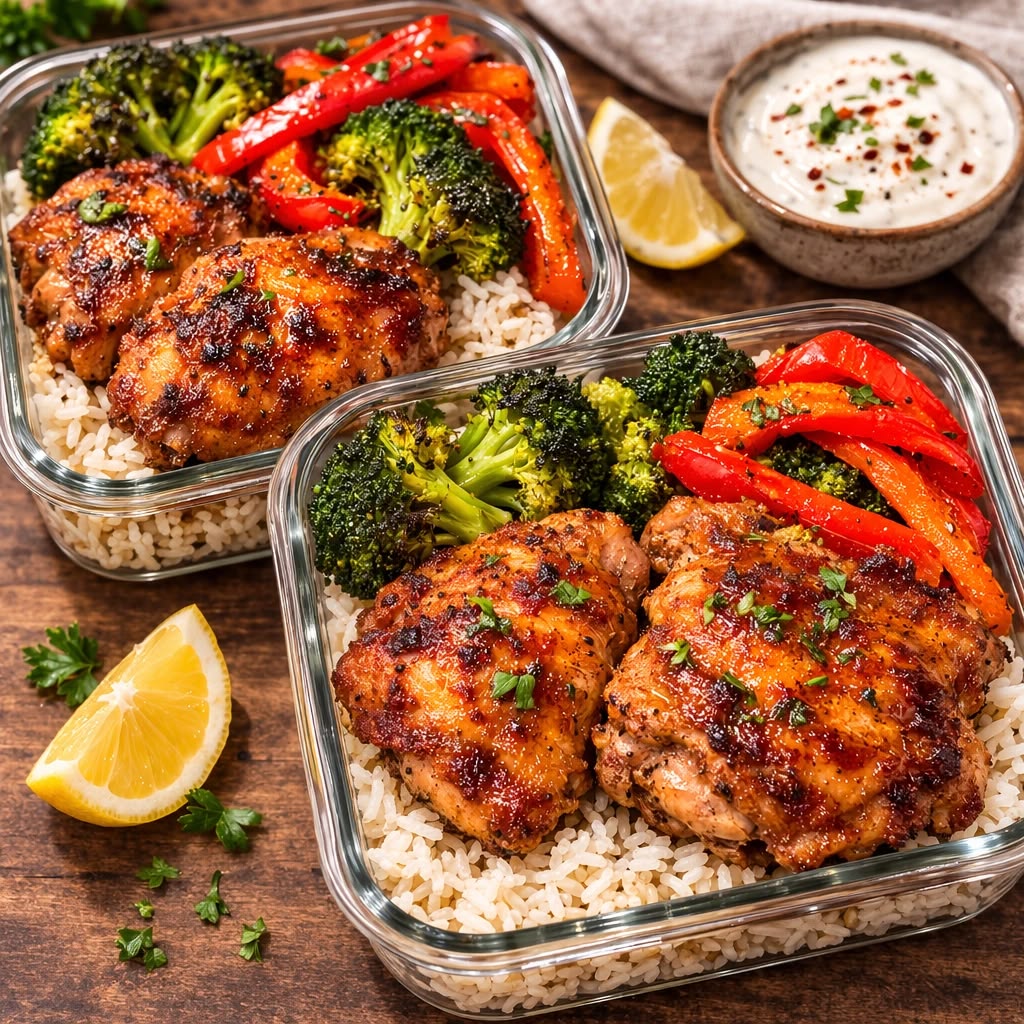
Successful healthy meal prep always starts at the grocery store. What you buy determines what you eat. If your cart is full of fresh produce, lean proteins, and whole grains, your week will reflect that.
The Clean Eating Shopping List Basics
Here’s a solid framework for building a healthy weekly grocery list:
- Proteins: Chicken breast, turkey, eggs, canned tuna, salmon, lentils, chickpeas, tofu
- Vegetables: Spinach, kale, broccoli, bell peppers, zucchini, sweet potato, tomatoes, carrots
- Fruits: Bananas, berries, apples, oranges, grapes — great for snacks and breakfasts
- Grains & Carbs: Brown rice, quinoa, oats, whole wheat bread, sweet potatoes
- Healthy Fats: Avocado, olive oil, nuts, nut butter, seeds
- Dairy/Alternatives: Greek yogurt, cottage cheese, almond milk, eggs
- Pantry Staples: Canned beans, olive oil, low-sodium soy sauce, spices, lemon juice
Shop the perimeter of the store first — that’s where the fresh, whole foods live. Then dip into the aisles only for pantry staples and whole grains.
Healthy Breakfast Meal Prep Ideas
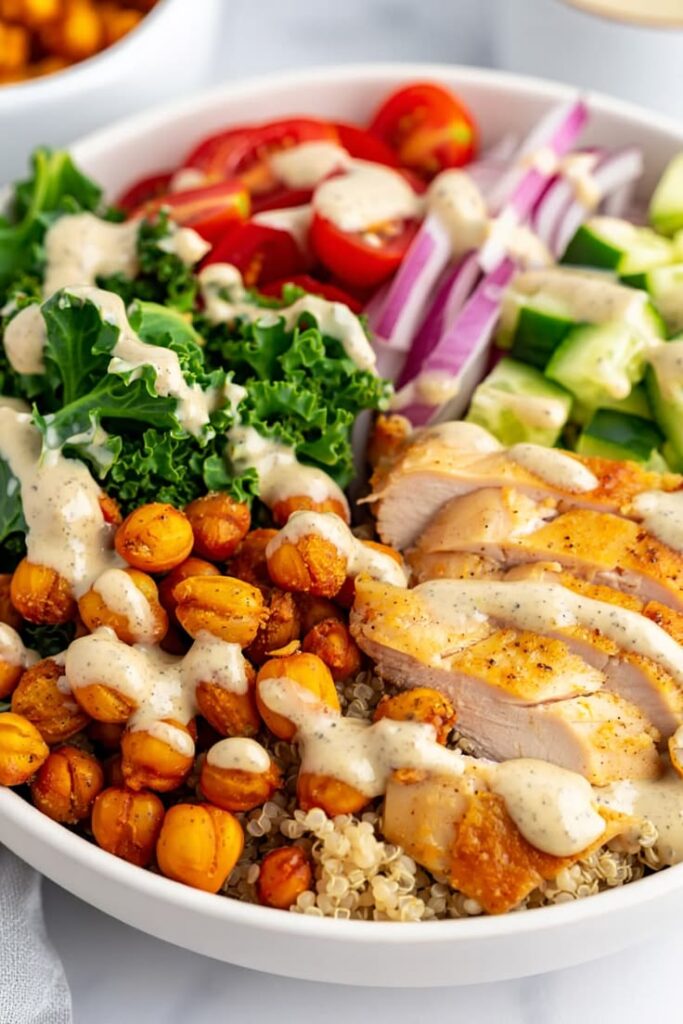
Mornings are hectic. That’s exactly why prepping breakfasts ahead of time is such a win. When your breakfast is already waiting in the fridge, you’re far more likely to eat something nourishing instead of grabbing something sugary or skipping breakfast entirely.
Overnight Oats
Overnight oats are one of the most popular healthy breakfast prep ideas for good reason. You just mix oats with milk (or a milk alternative), add your toppings, and refrigerate overnight. By morning, they’re creamy, filling, and ready to eat cold or warmed up.
Add berries, chia seeds, honey, nut butter, or banana slices for flavor and nutrition. Make five jars at once and you’ve got breakfast done for the whole week.
Egg Muffins
Egg muffins are basically mini frittatas baked in a muffin tin. Whisk together eggs with diced vegetables, a little cheese, and your choice of seasoning. Pour into a greased muffin tin and bake at 375°F for 20 minutes.
They store well in the fridge for up to five days and reheat in about 30 seconds. Perfect for a high-protein grab-and-go breakfast.
Smoothie Packs
Pre-portion your smoothie ingredients into zip-lock bags and freeze them. Each bag gets one serving of fruits, greens, seeds, or whatever you like. In the morning, dump the bag into the blender, add liquid, and blend. Done in under two minutes.
Healthy Lunch Prep Ideas for the Week
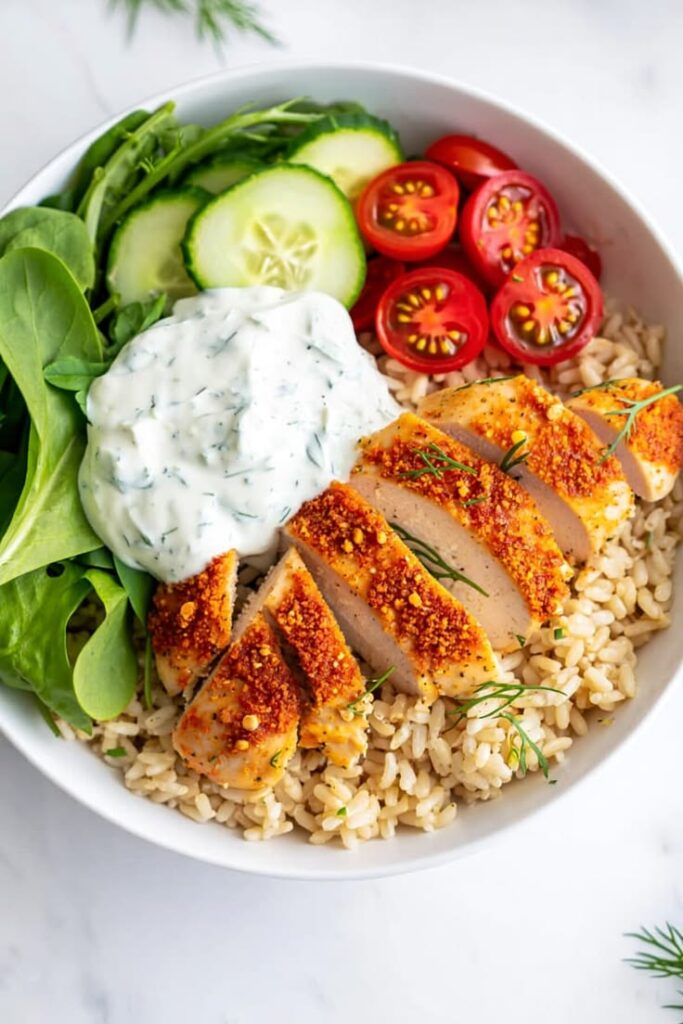
Lunch is where most people fall off the healthy eating wagon. When there’s nothing ready and hunger hits hard at noon, convenience wins — and convenience often means something deep-fried or overprocessed.
Healthy lunch prep solves that problem entirely. Here are some great options:
Mason Jar Salads
Layer your salad ingredients in a mason jar — dressing at the bottom, then hard vegetables like chickpeas and cucumbers, then leafy greens on top. When you’re ready to eat, just shake and pour.
Prepped mason jar salads stay fresh in the fridge for up to four days without getting soggy.
Grain Bowls
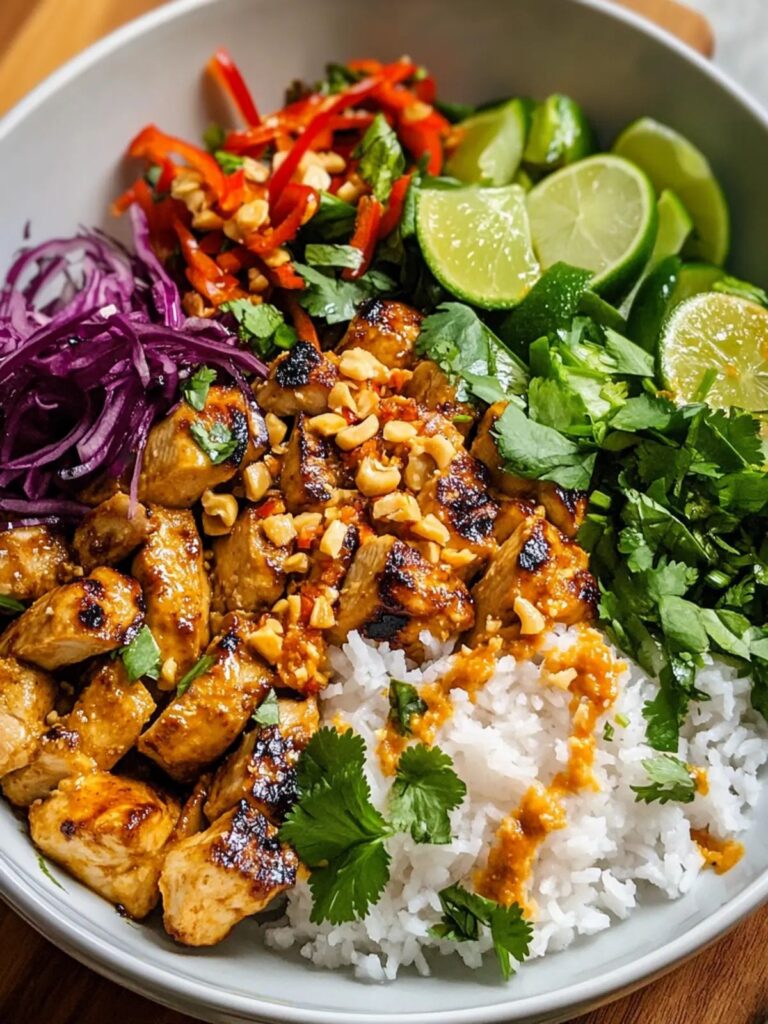
Cook a big batch of brown rice or quinoa on Sunday. Portion it into containers and top with roasted vegetables, a protein, and your favorite sauce. You get a warm, satisfying, and genuinely healthy lunch prep option that takes zero effort during the week.
Chicken-Based Lunch Preps
Chicken is probably the most versatile and popular protein for meal prepping. It’s lean, high in protein, affordable, and easy to cook in bulk.
Whether you’re into grilled strips, baked thighs, or shredded chicken, there are tons of easy boneless chicken recipes that work beautifully for weekly lunch prep. Try marinating your chicken in different sauces — lemon herb, teriyaki, or honey garlic — so you’re not eating the same flavor every day.
Prep a big batch, divide into portions, and pair with rice, roasted vegetables, or a simple salad throughout the week.
Healthy Dinner Ideas for Meal Prep
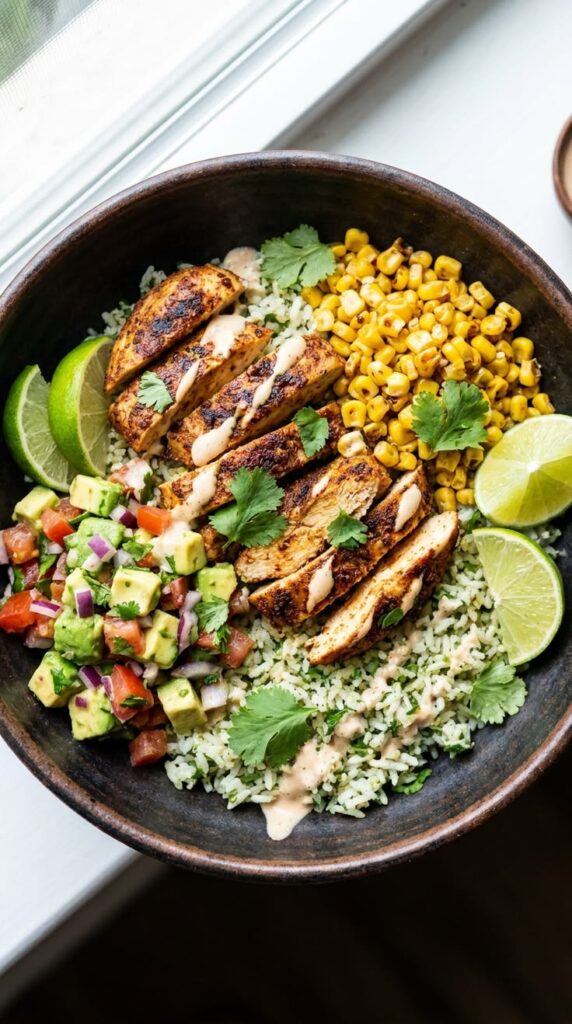
Dinners tend to be the most complex meals of the day, but that doesn’t mean they can’t be prepped ahead. The trick is to either fully cook meals that reheat well, or prep all the components so dinner assembly takes five minutes instead of an hour.
Sheet Pan Meals
Sheet pan meals are a meal prepper’s best friend. Toss your protein and vegetables in olive oil and seasoning, spread them on a sheet pan, and roast everything together. Easy, minimal cleanup, and delicious.
Try sheet pan salmon with broccoli and sweet potato, or roasted chicken thighs with bell peppers and zucchini. These reheat beautifully and taste great all week.
Turkey and Veggie Stir-Fry
Ground turkey stir-fried with colorful vegetables and a savory sauce over brown rice is a satisfying, nutritious dinner that stores perfectly. It’s also fast to cook — you can have the whole thing done in under 30 minutes.
Make a double batch and you’ve got dinner sorted for three or four nights.
Lentil Soup or Chickpea Curry
Plant-based meals are fantastic for meal prep because they actually taste better after a day or two in the fridge as the flavors deepen. A big pot of lentil soup or chickpea curry can feed you for four to five days.
These meals are also incredibly budget-friendly and packed with fiber and plant protein.
Chicken Breast Recipes for Dinner
If you love chicken as your dinner protein, you’ll never run out of ideas. Explore boneless skinless chicken breast recipes for inspiration — from stuffed chicken to baked lemon herb varieties that pair with nearly any vegetable or grain you have prepped.
Healthy Snack Prep Ideas
Snacks can either support your clean eating goals or completely derail them. The key is having healthy, ready-to-eat options available so you don’t mindlessly grab chips or cookies when afternoon hunger hits.
Easy Healthy Snacks to Prep Ahead
- Portioned nuts and seeds in small snack bags or cups
- Sliced vegetables (carrot sticks, celery, cucumber) with hummus cups
- Hard-boiled eggs — make a dozen at a time and store in the fridge
- Greek yogurt cups topped with granola and berries
- Apple slices with almond butter in small containers
- Energy balls made with oats, honey, nut butter, and chocolate chips
When your snacks are prepped and portioned, you eat the right amount and choose the right things automatically. That’s the power of planning ahead.
Healthy Protein Meal Prep Ideas
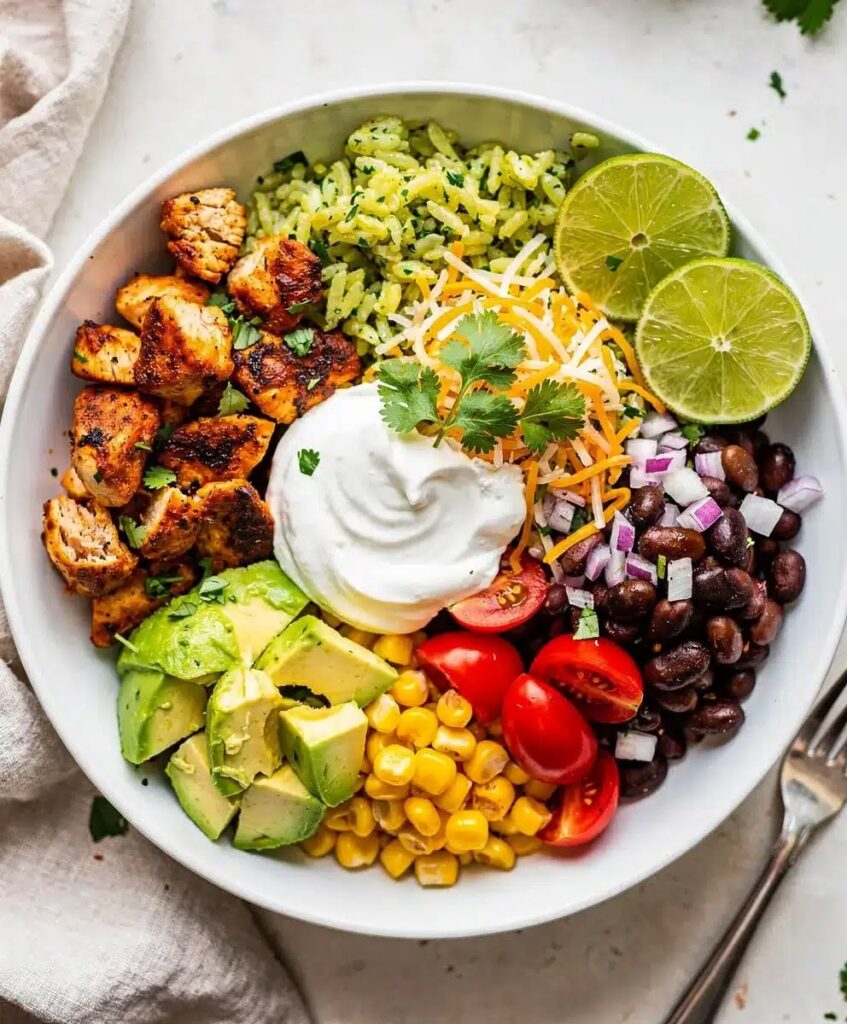
Protein is the most important macronutrient for feeling full, building muscle, and staying energized. Making sure each of your prepped meals includes a solid protein source is essential for a truly balanced, clean eating plan.
Best Proteins for Meal Prep
- Chicken breast and thighs — versatile, affordable, easy to batch cook
- Eggs — hard-boiled, scrambled, or baked into egg muffins
- Canned or pouched tuna and salmon — no cooking needed, great for quick lunches
- Lentils and chickpeas — plant-based, fiber-rich, and incredibly filling
- Tofu and tempeh — excellent plant-based protein for stir-fries and bowls
- Greek yogurt — high in protein and works for both breakfast and snacks
- Turkey — lean and works well in stir-fries, wraps, and bowls
How to Batch Cook Protein
The most efficient way to prep protein is to cook multiple types at once. While chicken breasts are baking in the oven, hard-boil eggs on the stove and warm up canned chickpeas in a skillet. In 30 minutes, you have three different protein sources ready to go.
Variety keeps your meals interesting so you don’t get bored and reach for something unhealthy mid-week.
Food Storage Tips for Meal Prep
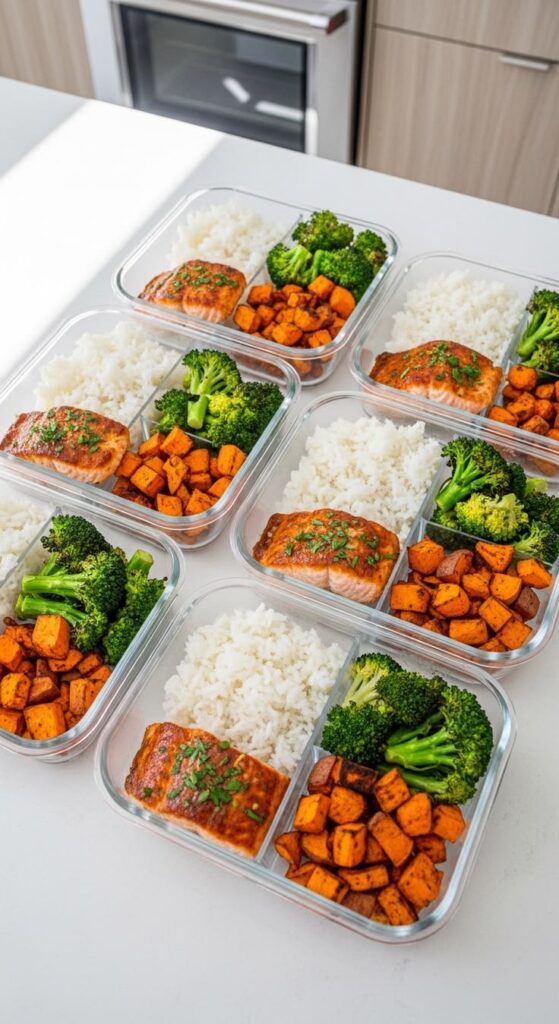
Proper food storage is what keeps your prepped meals fresh, safe, and delicious all week. It also prevents that dreaded food waste that happens when you prep more than you can eat.
How Long Does Meal Prepped Food Last?
- Cooked chicken, turkey, and fish: 3–4 days in the fridge
- Cooked grains (rice, quinoa): 4–5 days in the fridge
- Roasted vegetables: 3–5 days in the fridge
- Soups and stews: 4–5 days in the fridge
- Fresh-cut fruits and vegetables: 3–5 days depending on the produce
- Overnight oats: up to 5 days in the fridge
Fridge vs. Freezer Meal Prep
For meals you’ll eat within the next few days, the fridge is fine. For anything beyond that — or if you’re prepping extra meals to have on hand — freeze them. Most cooked meals freeze beautifully for up to three months.
Always label your containers with the contents and the date. This removes all guesswork and prevents forgotten meals lurking at the back of the freezer.
Keep Hot and Cold Separate
Store your sauces and dressings separately from your salads and grains. Keep warm dishes covered tightly in airtight containers. Let hot food cool completely before refrigerating to prevent condensation and bacterial growth.
Portion Control and Balanced Meal Building
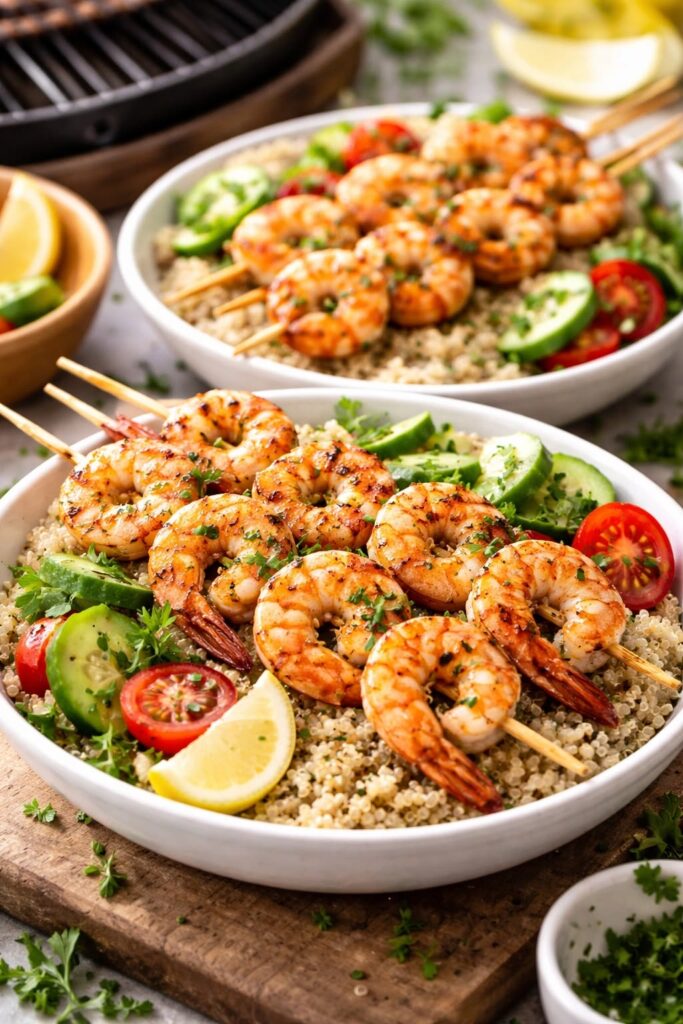
One of the biggest advantages of meal prepping is built-in portion control. When you divide your food into containers ahead of time, you’ve already decided how much you’re going to eat. That removes the temptation to overeat when you’re tired and hungry.
The Simple Plate Method
When building your meal prep portions, think of it like a balanced plate:
- Half of your container: Non-starchy vegetables (broccoli, spinach, peppers, zucchini)
- One quarter: Lean protein (chicken, turkey, eggs, tofu, fish, lentils)
- One quarter: Complex carbs (brown rice, quinoa, sweet potato, whole grain pasta)
- A small amount of healthy fat (olive oil drizzle, avocado, nuts or seeds)
This formula ensures your meals are nutritionally balanced, filling, and aligned with clean eating principles — every single time.
Time-Saving Meal Prep Hacks
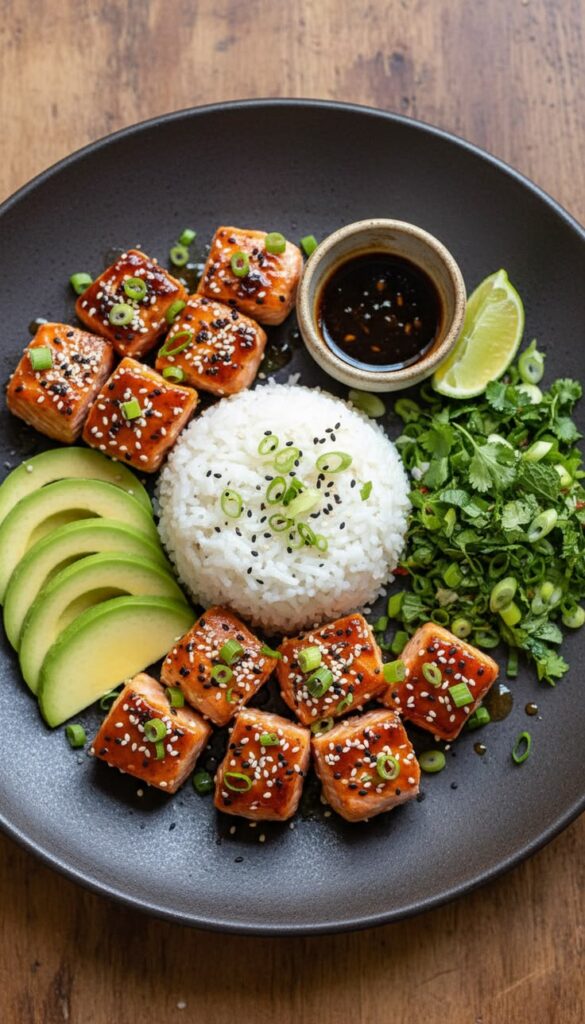
The whole point of healthy food prep is to save you time during the week. Here are some smart shortcuts that experienced meal preppers swear by:
- Use pre-washed salad greens to skip the washing and drying step entirely.
- Buy pre-cut vegetables when you’re short on time. Yes, they cost a little more — but they remove a big barrier.
- Cook two sheet pans of food at the same time using your oven’s full capacity.
- Use a rice cooker so grains cook hands-free while you prep other things.
- Marinate proteins the night before so they’re ready to cook first thing in the morning.
- Repurpose leftovers creatively — last night’s roasted chicken becomes today’s grain bowl topping.
- Double recipes whenever possible so one cooking session produces two meals.
A Simple Beginner-Friendly Weekly Meal Prep Plan
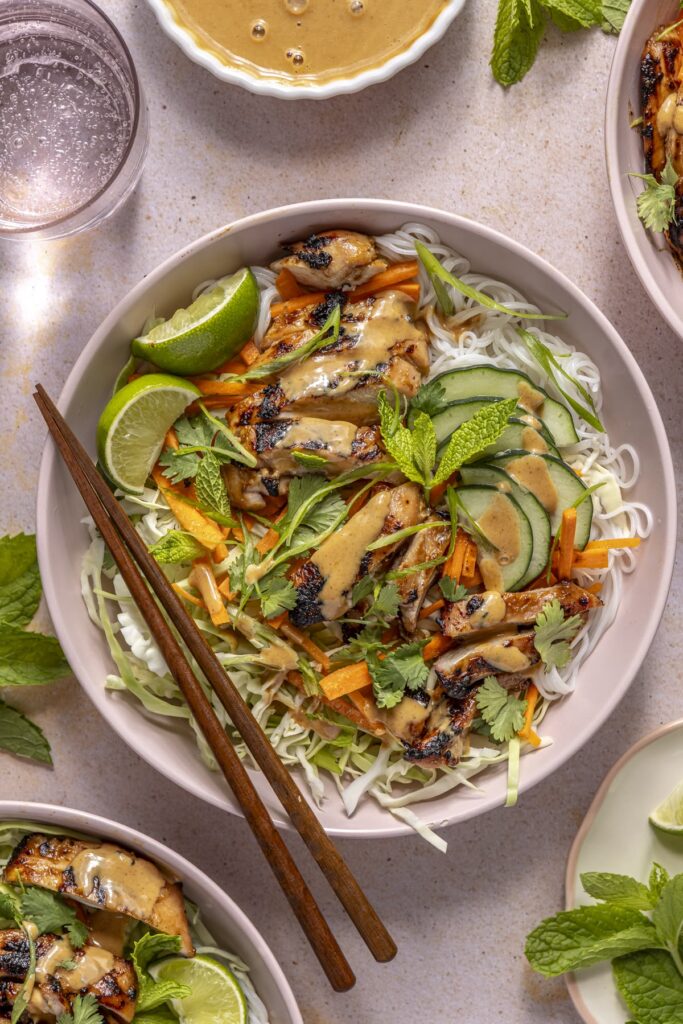
Not sure where to start? Here’s a simple, no-fuss weekly meal prep plan designed for beginners. It covers all your meals using just a handful of versatile ingredients.
What to Prep on Sunday
- Cook 2 cups of quinoa and 2 cups of brown rice
- Bake 4–5 chicken breasts with olive oil, lemon, garlic, and herbs
- Roast a tray of mixed vegetables (bell peppers, zucchini, broccoli, sweet potato)
- Hard-boil 6–8 eggs
- Prep 5 overnight oat jars for the week’s breakfasts
- Portion out snacks — cut vegetables, yogurt cups, nut packs
How That Becomes a Full Week of Meals
- Breakfast: Overnight oats or egg muffins (made from your boiled egg mix)
- Lunch: Grain bowls with quinoa, roasted veggies, and sliced chicken
- Dinner: Brown rice with baked chicken and a simple green salad
- Snacks: Veggies with hummus, Greek yogurt, or an energy ball
Three hours on Sunday. An entire week of easy healthy meals. That’s the power of clean eating through smart planning.
Meal Prep Mistakes to Avoid
Even with the best intentions, meal prepping can go sideways if you fall into a few common traps. Here’s what to watch out for:
1. Prepping Too Much at Once
It’s tempting to go all-in on your first prep day. But cooking 14 meals, 10 snacks, and 7 breakfasts at once is a recipe for overwhelm — and a fridge full of food you might not finish.
Start small. Prep three or four meals to begin with and build from there as you get comfortable.
2. Eating the Same Thing Every Day
Eating the exact same meal for five days straight will kill your motivation fast. The solution is to vary your seasonings, sauces, and combinations — even when you’re using the same base ingredients.
Same rice and chicken can become a burrito bowl on Monday, an Asian-inspired bowl on Tuesday, and a Mediterranean-style wrap on Wednesday. Small changes make a big difference.
3. Forgetting to Label Containers
Unlabeled containers in the fridge are a disaster waiting to happen. You forget what’s in them, how old they are, and whether they’re still safe to eat. Get in the habit of labeling everything with the date and contents.
4. Skipping the Planning Step
Winging your grocery shop without a plan is how you end up with a random collection of ingredients that don’t go together. Always plan your meals before you shop — it saves money and prevents waste.
5. Not Having Enough Variety
If everything tastes the same, you’ll lose interest quickly. Make sure your weekly prep includes a variety of textures, flavors, and colors. This keeps your meals exciting and your nutrition balanced.
Frequently Asked Questions About Healthy Meal Prep
How long does meal prepped food stay fresh in the fridge?
Most cooked meals last 3–5 days in the fridge when stored properly in airtight containers. Proteins like chicken and fish are best eaten within 3–4 days. Grains and roasted vegetables can last up to 5 days. Always use the smell and appearance test before eating anything you’re unsure about.
Is meal prepping actually worth the time?
Absolutely. Most people spend 1–2 hours on meal prep day and save several hours throughout the week. Beyond time, you eat healthier, spend less money on food, and reduce daily decision fatigue around what to eat. The return on investment is significant.
What are the best foods for beginner meal prep?
Start with simple, versatile foods that store well and work in multiple dishes. Think chicken breast, brown rice, quinoa, roasted vegetables, hard-boiled eggs, overnight oats, and lentils. These are all beginner-friendly, nutritious, and easy to cook in batches.
Can I meal prep if I have a small fridge?
Yes. Prioritize stacking-friendly, flat containers and maximize vertical space. You can also prep ingredients rather than full meals — washing and chopping vegetables, cooking grains, and portioning snacks takes less space than full assembled meals. Use your freezer to expand storage capacity.
How do I keep meal prepped food from getting boring?
Variety in sauces and seasonings is your best friend. Prep a few different dressings or sauces — tahini, teriyaki, chimichurri, or simple lemon herb — and rotate them throughout the week. Pairing the same protein with different sides and flavors makes a big difference in keeping your meals interesting.
What is clean eating and how does it connect to meal prep?
Clean eating is simply the habit of choosing whole, minimally processed foods — vegetables, fruits, lean proteins, whole grains, and healthy fats — and limiting refined sugars, artificial ingredients, and highly processed snacks. Healthy meal prep supports clean eating naturally because you control exactly what goes into your food.
Final Thoughts: Start Small, Stay Consistent, Feel Amazing
Healthy meal prep isn’t about perfection. It’s not about having color-coded containers or Instagram-worthy bento boxes. It’s simply about setting yourself up to eat well even on the days when life feels overwhelming.
You don’t have to do everything at once. Start with just one meal — maybe prep your lunches for the week, or make a batch of overnight oats. Do that for a few weeks until it feels natural. Then add something else.
The results build over time. You’ll notice you have more energy. You’ll feel less stressed at mealtimes. You’ll reach your health goals faster. And eventually, you’ll wonder how you ever got through the week without meal prepping.
Your future self — the one who comes home on a tired Wednesday evening and opens the fridge to find a perfectly portioned, delicious, healthy meal waiting — will be very grateful you started today.
So grab your containers, make your grocery list, and let this be the week you begin. You’ve got everything you need to eat clean, save time, and feel great all week long.


