

When summer heat hits hard, nothing quite satisfies like a bowl of cold, creamy ice cream. But what if you could make something even better than store-bought — something bursting with tropical flavor, completely dairy-free, and ready to prep in just 20 minutes? Enter: mango coconut ice cream. This dreamy frozen dessert combines the lush sweetness of ripe mangoes with the rich, velvety creaminess of full-fat coconut milk, creating a treat that feels indulgent without a single drop of dairy or refined ingredients.
Whether you are a seasoned home cook or a complete beginner in the kitchen, this recipe is designed for you. No ice cream machine. No complicated techniques. Just a blender, a freezer-safe container, and a little patience while you wait for the magic to happen.
“Mango coconut ice cream is proof that the simplest ingredients, when combined with care, produce the most unforgettable flavors.”
Why You’ll Love This Mango Coconut Ice Cream
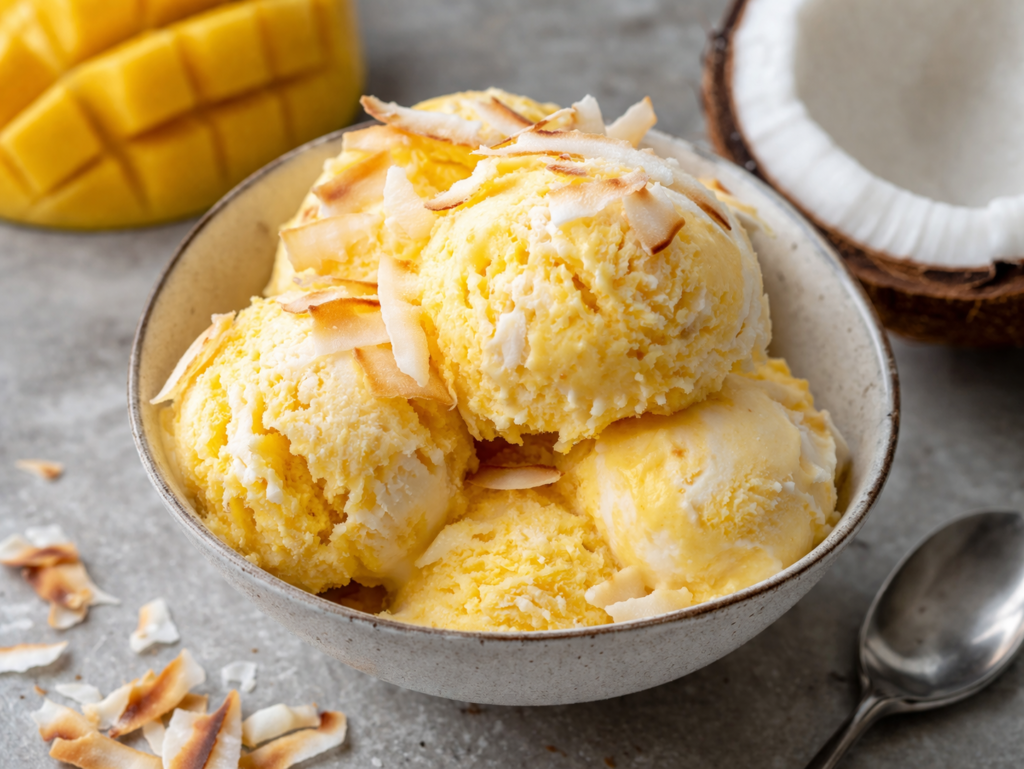
There are dozens of ice cream recipes floating around the internet, so why should this one earn a permanent spot in your recipe rotation? The answer is simple: it delivers maximum flavor with minimum effort. Here is what makes this recipe genuinely special:
It’s completely dairy-free
Made with coconut milk as the base, this ice cream is perfect for those who are lactose-intolerant, vegan, or simply trying to reduce their dairy intake. The coconut milk provides a creamy, luscious texture that rivals any traditional ice cream.
Only a handful of ingredients
You do not need a pantry full of exotic items. Ripe mangoes, full-fat coconut milk, a natural sweetener, and a splash of lime — that is essentially the whole ingredient list. Each component plays a key role and nothing is wasted.
No ice cream machine required
This is a no-churn recipe, which means you do not need any special equipment. A standard blender or food processor and a freezer-safe container are all you need.
Kid-approved and crowd-pleasing
The naturally sweet mango flavor and creamy coconut base make this an instant hit with children and adults alike. Serve it at a summer barbecue, a birthday party, or just as a quiet Tuesday evening treat — it always disappears fast.
Ingredients You’ll Need
🥭 Ingredients (Serves 6)
- 3 cups ripe mango (fresh or frozen)
- 1 can (400ml) full-fat coconut milk
- 3 tbsp honey or maple syrup
- 2 tbsp fresh lime juice
- 1 tsp pure vanilla extract
- Pinch of sea salt
- ½ tsp coconut extract (optional)
- Fresh mint for garnish
Choosing the Right Mango
The quality of your mango coconut ice cream depends heavily on the mangoes you choose. Always opt for ripe, fragrant mangoes — the Alphonso, Ataulfo (honey mango), or Kesar varieties work beautifully here. A ripe mango should yield slightly to gentle pressure and smell sweet near the stem. If fresh mangoes are not in season, frozen mango chunks work just as well. In fact, using frozen mango speeds up the freezing process and gives the ice cream an even creamier texture right from the blender.
The Role of Full-Fat Coconut Milk
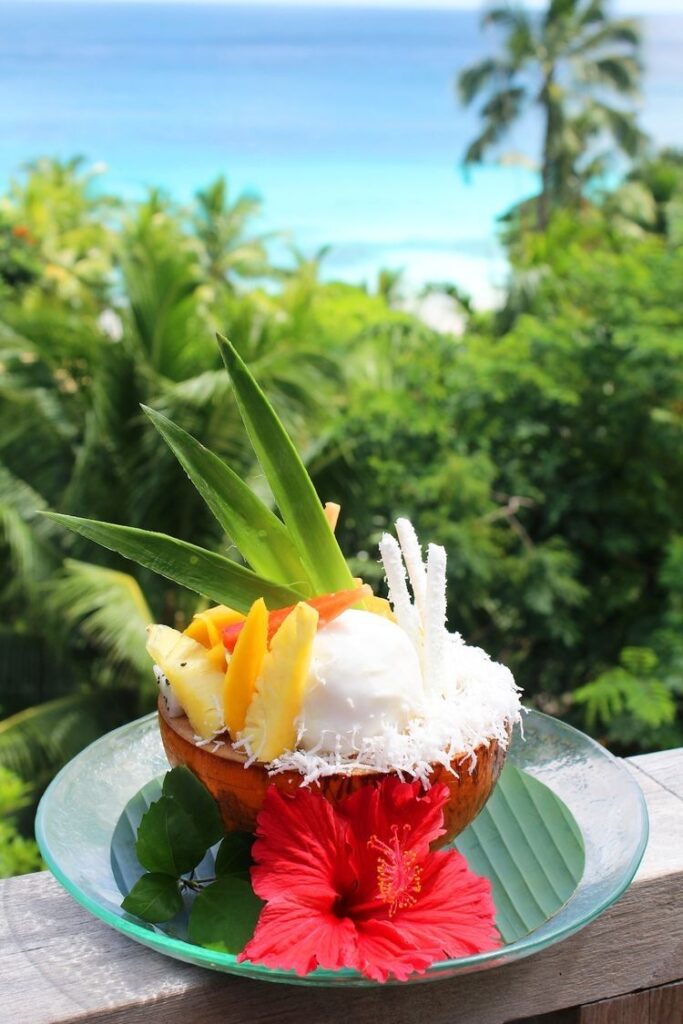
Do not be tempted to substitute lite coconut milk here. The high fat content in full-fat coconut milk is what gives this ice cream its signature richness and prevents it from becoming an icy, granular mess. Before opening the can, refrigerate it overnight — this causes the thick coconut cream to separate and rise to the top, which you can scoop off and use for an even creamier result.
Step-by-Step Instructions
Prepare the mango.
If using fresh mangoes, peel and dice them. If using frozen mango, let the chunks thaw for about 5 minutes so your blender can process them smoothly. The mango should be very ripe and deeply fragrant.
Blend all ingredients
Add the mango, full-fat coconut milk, sweetener, lime juice, vanilla extract, coconut extract (if using), and a pinch of salt into a high-speed blender. Blend on high for 60–90 seconds until the mixture is completely smooth and silky. Taste and adjust sweetness.
Pour into a container
Transfer the blended mixture into a freezer-safe loaf pan or airtight container. Spread it evenly with a spatula. Press a sheet of plastic wrap directly onto the surface to prevent ice crystals from forming.
Freeze and stir
Place the container in the freezer. For the creamiest texture, remove it every 45–60 minutes for the first 3 hours and stir vigorously to break up any ice crystals. This no-churn stirring technique mimics the work of an ice cream machine.
Final freeze and serve
After 4–6 hours (or overnight), your mango coconut ice cream is ready. Remove it from the freezer 5 minutes before scooping to let it soften slightly. Scoop into bowls or cones, garnish with fresh mint or toasted coconut flakes, and enjoy!
Pro Tips for Perfect Mango Coconut Ice Cream Every Time
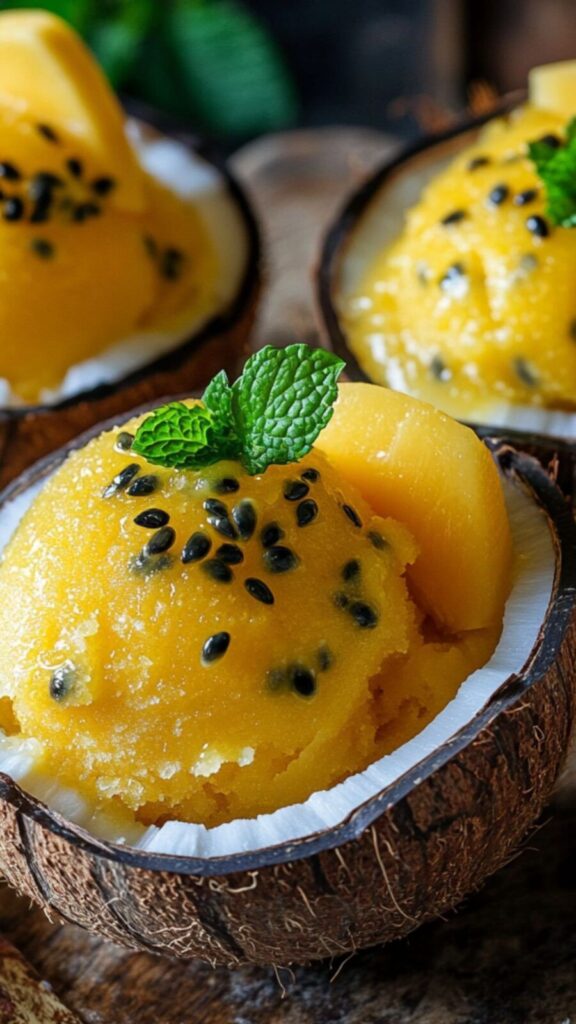
🌿 Expert Tips
- Use frozen mango for a head start: Blending frozen mango chunks means your base is already cold, reducing overall freeze time.
- Chill your coconut milk overnight: Refrigerating the can separates the cream from the water, giving you a richer, denser ice cream base.
- Don’t skip the lime juice: It brightens all the flavors and adds a subtle tartness that balances the natural sugar in the mango beautifully.
- Stir during freezing: Those 3–4 stir breaks during the first few hours of freezing are what separate a creamy ice cream from an icy block.
- Add a banana for extra creaminess: One ripe frozen banana blended into the mixture adds body and natural sweetness without overpowering the mango.
- Store properly: Keep your ice cream tightly covered. It stays perfectly scoopable for up to 2 weeks in the freezer.
Creative Variations to Try
Once you have mastered the base recipe for mango coconut ice cream, the fun begins. This recipe is endlessly adaptable. Here are some delicious variations to keep things exciting all summer long:
🌶️Mango Chili Coconut
Add a pinch of cayenne and Tajín-style chili salt for a spicy-sweet tropical twist.
🍍Mango Pineapple
Replace ½ cup of mango with fresh pineapple chunks for a bright, punchy piña colada flavor.
🫐Mango Blueberry Swirl
Swirl a simple blueberry compote through the mango base before freezing for a stunning marbled effect.
🍵Mango Matcha Coconut
Blend in 1 teaspoon of ceremonial-grade matcha for an earthy counterpoint to the tropical sweetness.
If you love exploring tropical frozen desserts, you should also check out this fantastic guide on how to make watermelon ice cream — another refreshing no-churn recipe that is perfect for hot summer days. The technique is very similar and the flavors are just as vibrant.
Serving Suggestions
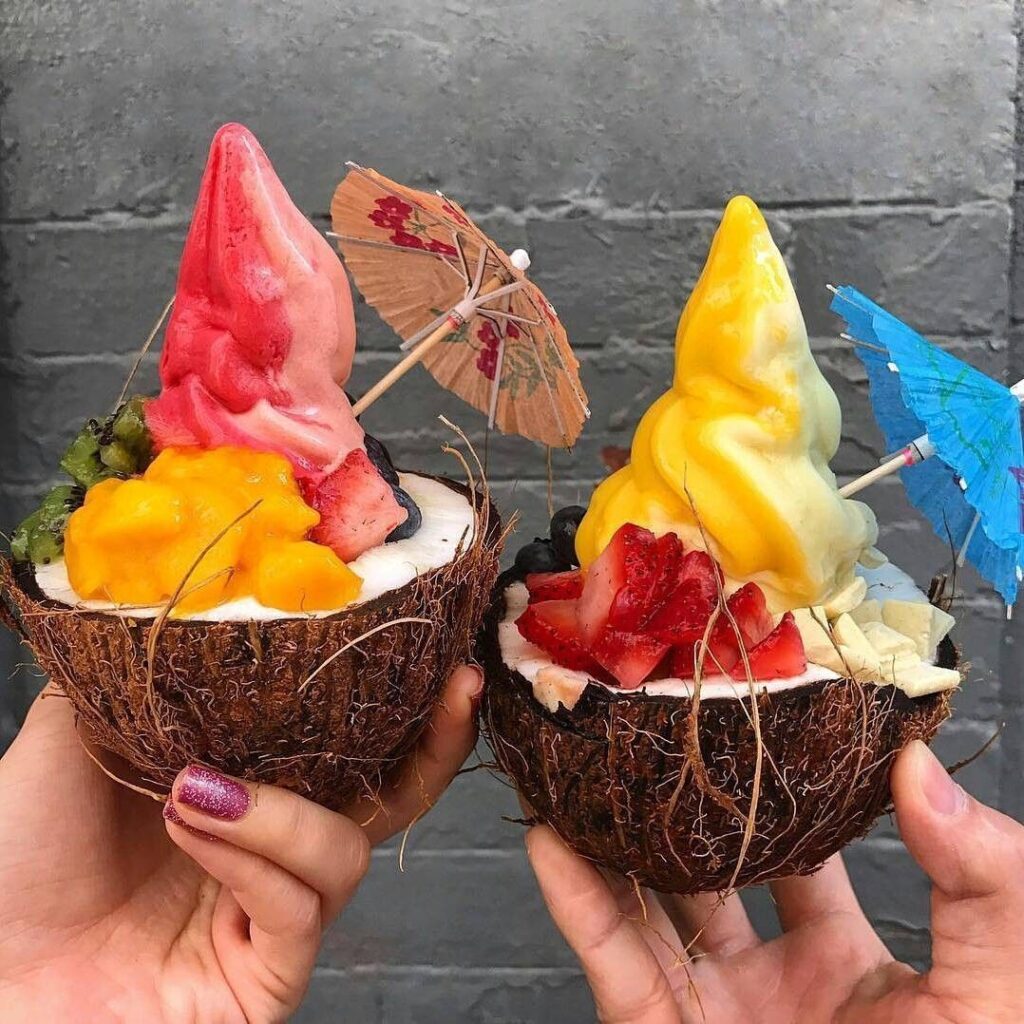
Mango coconut ice cream is stunning all on its own, but the right accompaniments can elevate it into a truly showstopping dessert. Here are some serving ideas that pair beautifully with the tropical flavors:
In a toasted coconut bowl: Lightly toast shredded coconut in a dry pan until golden, then press it into a small bowl shape. Fill with scoops of your mango coconut ice cream for a dramatic presentation with added texture and flavor.
With fresh tropical fruit: Serve alongside sliced fresh pineapple, papaya, or passion fruit for a full tropical fruit platter that celebrates the flavors of the season.
On a waffle cone: Double the tropical experience by rolling your cones in toasted coconut flakes before scooping. The crunch against the creamy ice cream is absolutely satisfying.
As an ice cream sandwich: Spread a thick layer of mango coconut ice cream between two thin coconut flour cookies or chocolate wafers for a decadent frozen sandwich.
Drizzled with condensed coconut milk: A light drizzle of sweetened condensed coconut milk over the top of your scoops adds a glossy, rich finish that makes every bowl look like it came from a dessert parlor.
Nutrition Information (Per Serving)
| Nutrient | Amount |
|---|---|
| Calories | ~210 kcal |
| Total Fat | 13g |
| Saturated Fat | 11g |
| Carbohydrates | 24g |
| Natural Sugars | 20g |
| Fiber | 2g |
| Protein | 2g |
| Vitamin C | 35% DV |
Keep in mind these values are approximate and will vary based on the ripeness of the mango, the specific coconut milk brand used, and the sweetener chosen. Using honey versus maple syrup, for example, can shift calorie and sugar counts slightly.
Frequently Asked Questions
Can I use canned mango instead of fresh?
Yes, canned mango in juice (not syrup) works reasonably well, though fresh or frozen ripe mango will always deliver a superior, more vibrant flavor. If using canned, drain the juice before blending and reduce your sweetener since canned mango tends to be pre-sweetened.
Why is my ice cream icy instead of creamy?
This usually happens for two reasons: either you used lite coconut milk (not enough fat) or you skipped the stirring steps during the first few hours of freezing. Ice crystals form when water molecules cluster together, and the stirring process breaks them up. Both issues are easy to fix on your next batch.
How long does mango coconut ice cream last in the freezer?
Stored in an airtight container with plastic wrap pressed directly onto the surface, it will keep beautifully for up to 2 weeks. Beyond that, texture can start to deteriorate, though the flavor remains good for longer.
Can I make this without any added sweetener?
Absolutely! If your mangoes are very ripe and sweet, you may find no extra sweetener is needed at all. Taste the blended mixture before freezing and sweeten to your preference. For naturally sweet no-sugar options, a couple of soaked Medjool dates blended right in also work wonderfully.
Final Words: The Perfect Summer Frozen Treat Collection
Mango coconut ice cream is just one star in a whole galaxy of homemade frozen desserts you can make with minimal equipment and maximum flavor. Once you experience how satisfying it is to pull a gorgeous, tropical ice cream out of your own freezer, you will want to explore every variation imaginable. For another easy tropical option to add to your frozen dessert repertoire, this detailed recipe for homemade watermelon ice cream is an absolute must-try — cool, juicy, and just as simple to prepare.
The beauty of these no-churn frozen desserts is that they put the joy of ice cream making back into your hands, without the need for expensive equipment or hard-to-find ingredients. All you need is a blender, a freezer, and the best fruit you can find.


